

Chimney Leak Repair in Lexington, KY
Water in your chimney can quietly damage your home for months before you notice. We’ll find the source, fix it right, and make sure it stays dry.
25+ years · 1,500+ five-star reviews · Certified Technicians
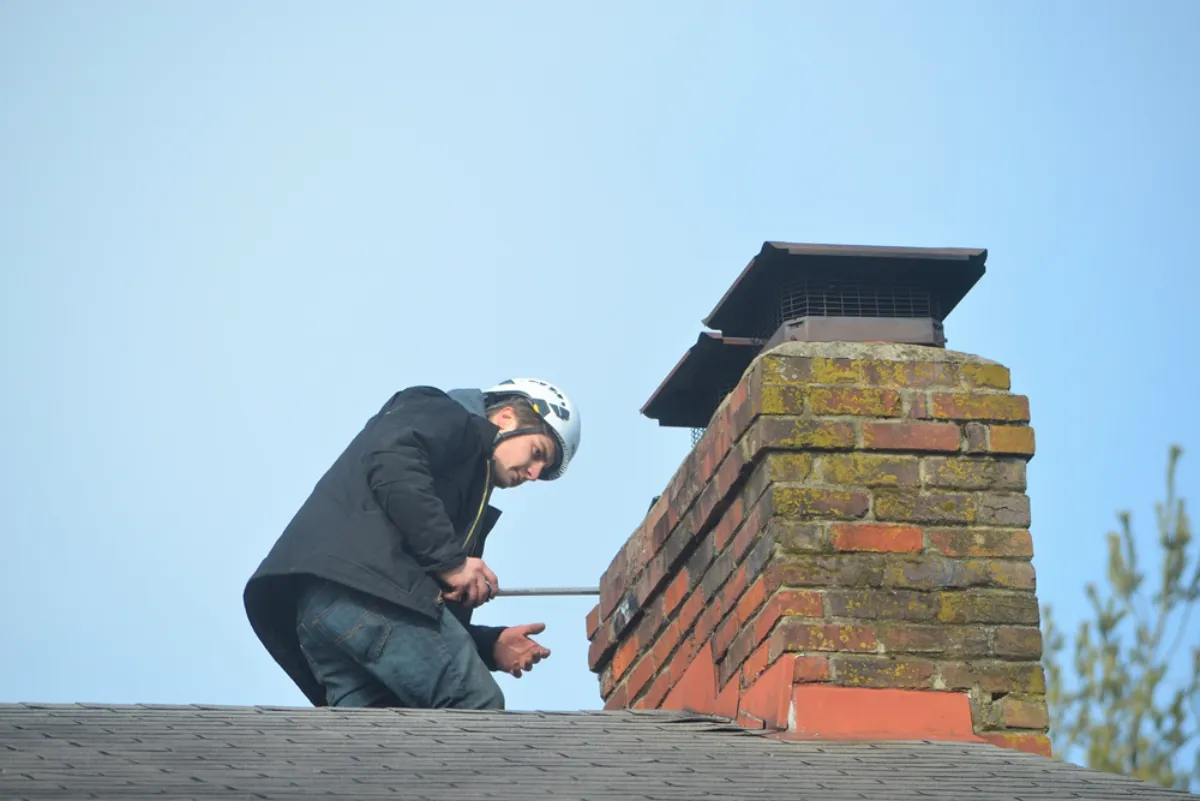
A Small Leak Can Become a Big Problem
Water entering your chimney doesn’t just damage the chimney—it can spread to ceilings, walls, and structural framing before you ever see a stain. In Lexington’s freeze-thaw climate, even a hairline crack in the crown or a loose piece of flashing can let in enough moisture to cause thousands of dollars in hidden damage.
If you’ve noticed water in your firebox, damp spots near your chimney, or a musty smell you can’t explain, it’s time to find out what’s going on. A chimney inspection is the fastest way to pinpoint the source and stop the damage from spreading.
Common Causes of Chimney Leaks
Most chimney leaks come down to one of these six issues. Identifying the right one is the key to a lasting repair.
Missing or Damaged Chimney Cap
Without a functioning cap, rain pours straight down the flue—the most direct path water can take into your home.
Cracked or Deteriorated Crown
The concrete crown at the top of your chimney is your first line of defense. Cracks let water seep into the masonry below.
Failed Flashing
Flashing seals the gap between your chimney and roof. When it pulls away or rusts through, water runs down behind the wall.
Deteriorated Mortar & Brick
Years of weather exposure erode mortar joints and brick faces, creating pathways for water to enter. Tuckpointing restores the seal.
Condensation Issues
When warm flue gases meet cold chimney walls, condensation forms inside the flue—mimicking a leak even when nothing’s coming from outside.
No Waterproofing
Brick is porous by nature. Without a vapor-permeable waterproofing treatment, it absorbs rain like a sponge—especially on the side facing prevailing storms.
How We Diagnose and Fix Chimney Leaks
Every leak has a source. Our four-step process finds it, fixes it, and confirms the repair—so you don’t end up chasing the same problem twice.
Inspect
We start with a thorough exterior and interior inspection to identify where water’s getting in—and how far it’s traveled.
Diagnose
We determine the root cause using video scanning and hands-on assessment—not guesswork.
Recommend
We present your options with an honest assessment of what’s needed now and what can wait—no upselling.
Repair
We complete the fix and verify it with water testing, so you know the leak is gone before we leave.
What Lexington Homeowners Are Saying
“Cannot recommend Barnhill enough! Finally, the leak that has been happening for years has been resolved! Remember, in some things in life, you get what you pay for. Barnhill is worth every penny if you value your home. Excellent customer service and support!!”
“Barnhill Chimney repaired my chimney and I could tell they knew what they were doing. The chimney is clean and no more leaks. Great Job!”
“James at Barnhill Chimney Company swept, inspected and fixed a safety concern that came to his attention. He stayed on-site to fix the problem same day. James was persistent and fixed the issue after calling in support staff, leaving my home clean and safely ready to enjoy a fire. I highly recommend James for his thoroughness, attention to detail, work ethic, polite nature and excellent communication skills.”
Frequently Asked Questions
How do I know if my chimney is leaking?
Common signs include water stains on the ceiling or walls near your chimney, a musty odor coming from the fireplace, white staining (efflorescence) on exterior brickwork, damp or deteriorating mortar joints, and water pooling in the firebox after rain. If you notice any of these, it’s worth scheduling an inspection before the damage spreads.
What causes most chimney leaks?
The most common causes are damaged or missing chimney caps, cracked chimney crowns, failed flashing where the chimney meets the roofline, deteriorated mortar joints, and lack of waterproofing. Kentucky’s freeze-thaw cycles accelerate all of these issues, which is why annual inspections are so important.
How much does chimney leak repair cost?
The cost depends on the source and severity of the leak. A simple chimney cap replacement is on the lower end, while flashing repair or crown rebuilding typically costs more. We provide a thorough inspection and honest estimate before any work begins, so you’ll know exactly what to expect.
Can a chimney leak cause structural damage?
Yes. Water entering through a chimney can damage far more than the chimney itself. Over time, moisture spreads to ceiling joists, wall framing, insulation, and drywall. It can also cause mold growth, rusted dampers and fireplace components, and accelerated masonry deterioration. The sooner a leak is addressed, the less costly the repair. For severe damage, a full chimney restoration may be the best long-term solution.
Stop the Leak Before It Spreads
The longer water sits in your chimney, the more it costs to fix. Schedule an inspection today and let’s find the source together.